
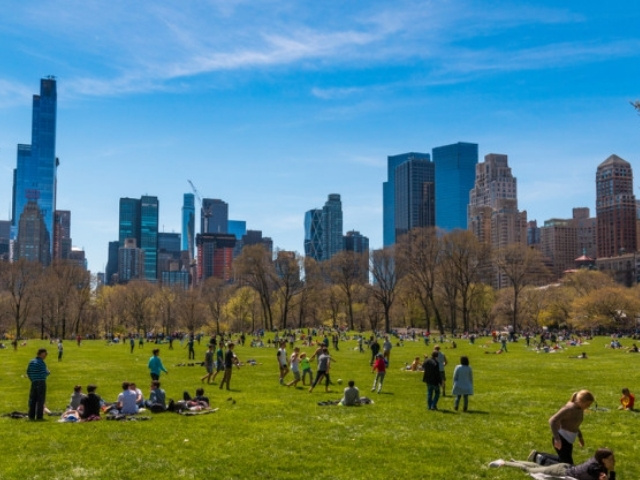
The study’s results were officially published by Science Advances. Key findings showed that the size and location of these green spaces have no effect on effectiveness, and instead suggested each site produces essential microbiological networks that sustain ecosystems by filtering carbon dioxide and pollutants.
Moreover, the microbes are responsible for fertilisation, irrigation water and colonisation of soils that have yet to have any vegetation. Although the samples displayed a large proportion of fungal parasites and pathogens, these groups are traditional pests capable of removing nitrogen from sewerage and bacteria-feeding amoebae.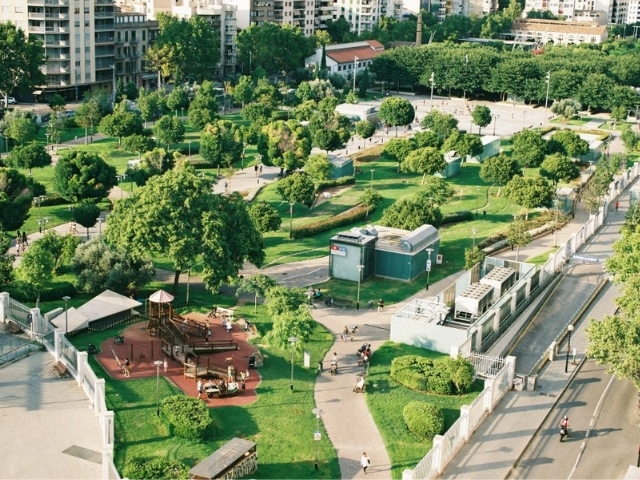
Professor David Eldridge from the Centre for Ecosystem Science in UNSW Science’s School of Biological, Earth and Environmental Sciences stated;
“Urban greenspaces harbour important microbes, so if you want to sustain a bunch of ecosystem services, you need to have plenty of parks and green spaces.”
The results were determined by analysing soil samples from various different urban greenspaces and compared the results to natural ecosystems. The study tested samples from a total of 56 cities from 17 countries spanning six continents, with some notable sites including Olympic Park in Beijing, the University of Queensland in Brisbane, and Uppsala castle in Sweden.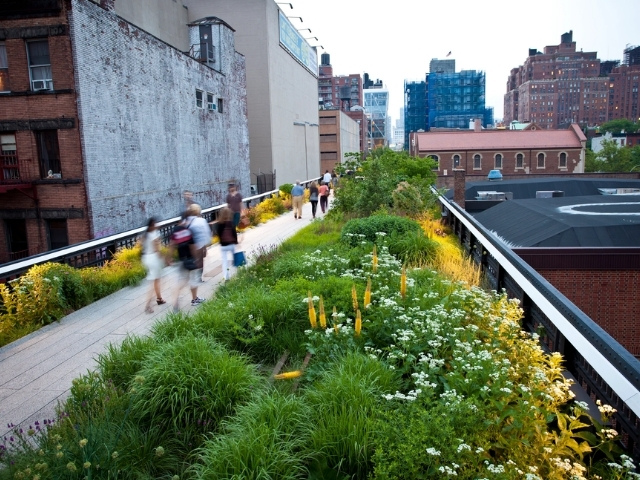
Dr Eldridge also noted that city parks, roadsides, lawns, and even pathways all have a part to play in creating effective and critical greenspaces. This is due to the need to introduce various types of microbes to the spaces, that benefit the community and local ecosystems in differing ways.
Human exposure to the microbes showed benefits to physical health by strengthening immunoregulation and reducing the effects of allergies whilst also promoting mental wellbeing. These mini-ecosystems will become even more important as it is expected by 2050 that globally 68 per cent of the population will live in cities.
With the successful completion of this study, it is expected the next will focus on the importance of mosses in urban green spaces for supporting soil health, and acting as a critical habitat for microbes.
Feature image via Discover Magazine