
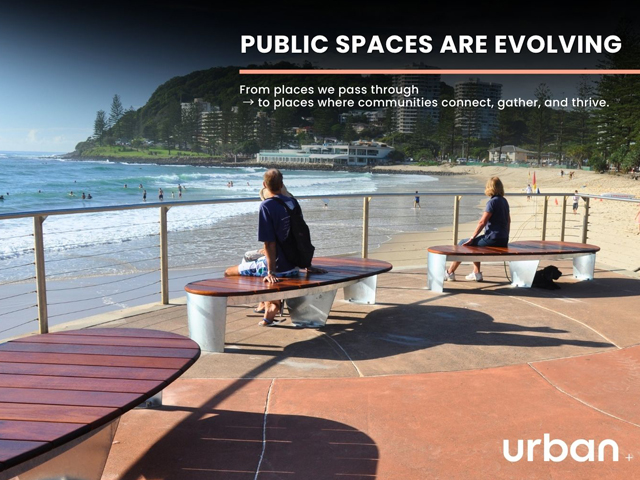
The role of public space is changing. Across Australia, parks, school grounds, streetscapes, and community precincts are no longer being viewed simply as outdoor areas to move through. they’re becoming places designed to encourage connection, interaction, wellbeing and community participation.
As cities grow denser and communities become increasingly digital, the importance of physical gathering spaces has never been greater. And with that shift, outdoor design is taking on a far more important social role.
Landscape architects and designers are now being asked to create spaces that do more than look visually appealing. Public environments are expected to feel welcoming, intuitive, comfortable and inclusive for a broad range of users and age groups.
This evolution is influencing everything from pathway layouts and seating placement through to hydration access, shade integration and multi-use community zones.
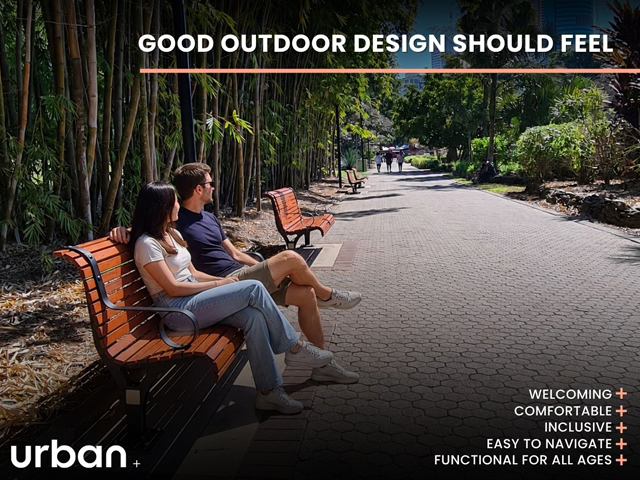
In schools, outdoor areas are increasingly being designed as extensions of learning environments rather than simply playground surrounds. In parks and civic spaces, infrastructure is being positioned to encourage people to pause, gather, refill water bottles, socialise and spend longer within a space.
Even small design decisions can significantly influence behaviour.
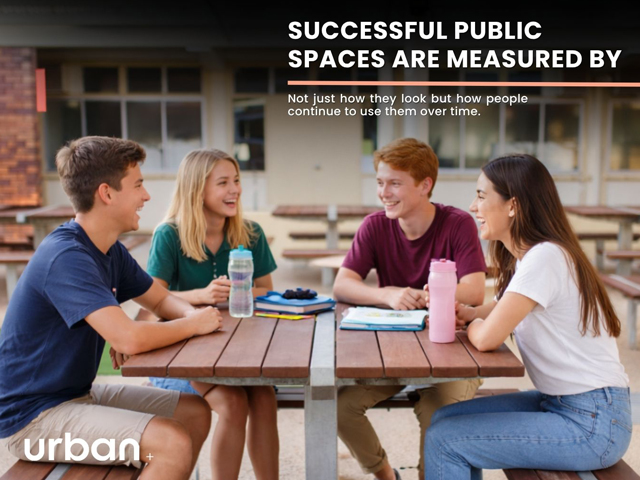
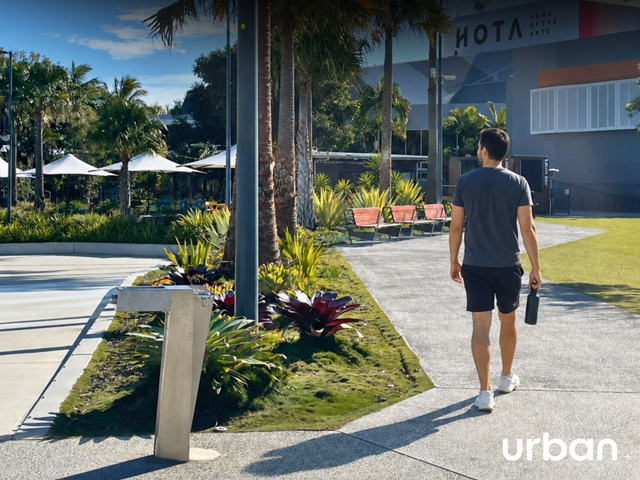
A shaded seating area positioned near a hydration station can encourage longer stays and greater social interaction. Accessible pathways and thoughtfully placed furniture can improve usability for families, elderly users and people with mobility challenges. Flexible public infrastructure can help spaces adapt to different community uses over time.
Urban+ are seeing increasing demand for outdoor infrastructure that supports not only durability and performance, but also the broader experience of a space. Products are being selected less as standalone items and more as part of an integrated public realm strategy.
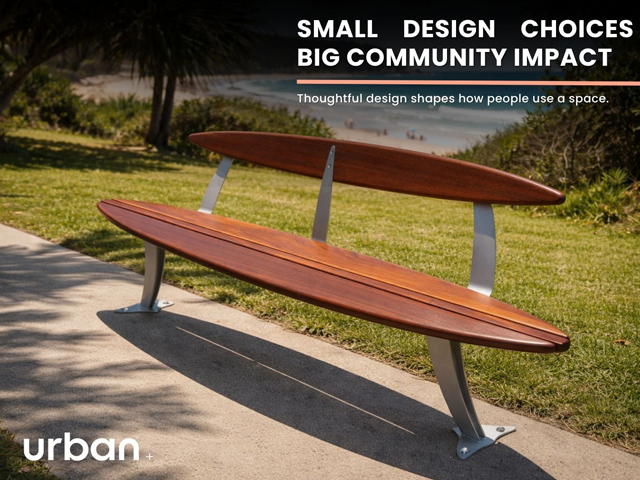
Importantly, this shift is also changing how success is measured.
The most effective outdoor spaces are no longer defined purely by how they photograph on completion day, but by how consistently communities continue to engage with them over time.
Because ultimately, great public design isn’t just about building spaces. It’s about creating places people genuinely want to be.
Visit Urban+ via the links below to learn how Urban+ is helping shape more functional, durable and community-focused public spaces across Australia.