A FEAST FOR MORE THAN THE EYES
06 Aug 2019
Bring an interactive surprise to your next community garden or residential landscape by incorporating edible plants into the flora. Here are 11 unique varieties that pack a tasty punch.
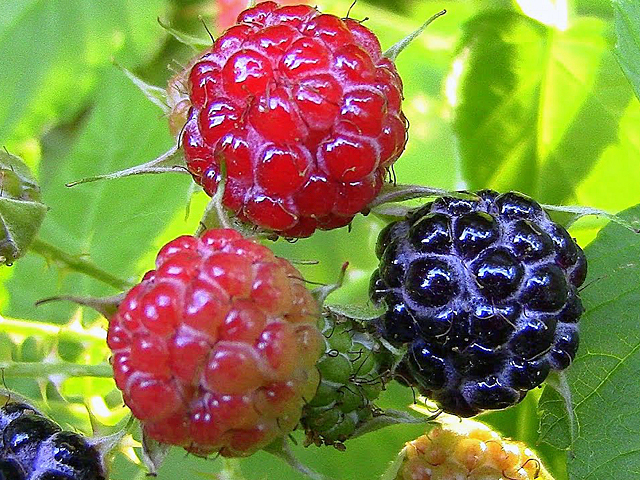
While traditional tomatoes and strawberries are a crowd-favourite, there are plenty of unique and exotic varieties of edible plants that can be planted as a point of interest. Here are some varieties to get you inspired.
JUJUBE
This plant is ideal for the tropical climates of northern Australia. The popular jujube candy was inspired by this small, apple-like gem. Jujubes offer a sweet and sour flavour and can be eaten raw, although the sugars intensify when dried. Jujubes like hot, dry environments and tolerate drought quite well. 
PAWPAW
Another heat lover is the pawpaw, similar to tropical fruits like the related cherimoya and custard apple. Save this one for smaller landscape projects as it can struggle in large spaces. The plant is a small, uniform tree that produces pleasant foliage. 
QUINCE
At one time, quince trees were as ubiquitous as pear and apples and rightfully so since it is related to both. Quince must be cooked before eating, but the reward is equivalent to apple pie in a single fruit with flavours of vanilla, cinnamon and a hint of citrus. This plant will grow well in all major Australian cities but will struggle in the dry inland and mountain climates. 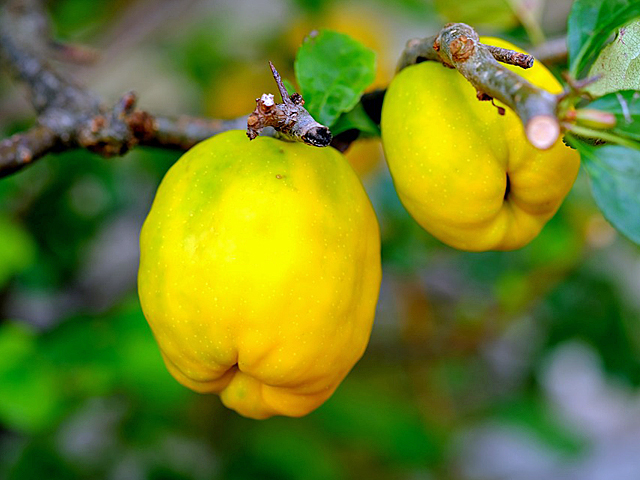
CATTAIL
If you are installing a pond in a landscape be sure to include this plant in the design. Young stems can be eaten raw and young flowers can be roasted. In summer, the pollen from the cattail can be used as a type of flour in pancakes and bread. It also works as a thickener for soups and sauces. Young shoots on the plant can be cooked like asparagus by roasting or grilling. They can also be added to stir-fry for a distinct flavour. 
CHOCOLATE VINE
Less tropical than other options, the chocolate vine can tolerate substantial amounts of shade. It produces sweet-smelling flowers in the spring and long pods later in the summer. The pods can be cooked like a vegetable but should be avoided raw. Opening the pod will reveal a pulp that resembles a banana/passionfruit custard and can be eaten directly or mixed with other fruits. Like quince, this plant thrives in tropical and coastline climates. 
EDIBLE FLOWERS
In addition to fruits and veggies, many flowers are edible too. Include nasturtiums, violas, pansies, borage and calendula in the landscape to create a cornucopia of salad greens for the resident’s or community. 
HASKAP
More commonly known by a variety of names in the honeysuckle family, haskap produces a delicious sweet/tart berry that tastes like a cross between a blueberry and a raspberry. It also produces delicate, downward, trumpet-shaped blooms. Make sure to plant at least two of the same type of haskap together for effective pollination. 
MEDLAR
Medlar is an ancient fruit. For thousands of years, dating back to at least the Roman era, this deciduous tree has produced small edible fruits. Related to roses, the one- to two-inch fruit resembles large rosehips. The colour is a rosy brown. Medlars adapt well in climates with hot summers and cold winters. 
RED MEAT WATERMELON RADISH
While the flavour is similar to the traditional radish, the look is anything but. The small radishes look nearly identical to a spotted watermelon. Red meat radishes are a cool-weather crop, which makes them ideal for Australian winters and mountainous regions. 
SERVICEBERRY
Placed right up next to the garden, trees or perennials, serviceberries add a lively texture to the landscape and produce a delicious fruit. Serviceberry grows well in a variety of climates because there are different varietals of trees and shrubs. It is a versatile and durable plant, growing wild in many areas. Plant it next to a building or in soggy areas of the landscape where other plants are unhappy. The berries resemble blueberries in size and shape.