SEARCH
Company Index ยป
  • NEWS
    & INFO
    NEWS & INFO
    • NEWS
    • EVENTS
    • INTERVIEWS
    • EXEMPLARY PROJECTS
    • FREE DIGITIAL RESOURCES
    • BLOG
    • COMPANY INDEX
    • INDUSTRY ASSOCIATION
  • Planning
    & Design
    Planning & Design
    • LANDSCAPE ARCHITECTS
    • LANDSCAPE DESIGNERS & TECHNICIANS
    • LANDSCAPE CONTRACTORS
    • HORTICULTURAL CONSULTANTS
    • ARBORICULTURAL CONSULTANTS
    • PROJECT MANAGEMENT & CONSTRUCTION
    • CONSULTING ENGINEERS
    • QUANTITY SURVEYORS
    • PROFESSIONAL REPRESENTATION
    • ENVIRONMENTAL CONSULTANTS & SERVICES
  • Site
    Preliminaries
    Site Preliminaries
    • BUSINESS ADMINISTRATION
    • HARDWARE & GARDENING EQUIPMENT
    • CONSTRUCTION EQUIPMENT
    • PERSONAL PROTECTIVE CLOTHING & EQUIPMENT
  • Environmental
    Management
    Environmental Management
    • CIVIL CONSTRUCTION & DEMOLITION
    • BUSH REGENERATORS
    • EROSION CONTROL & SOIL STABILISATION
    • HERITAGE & RESTORATION SERVICES
    • GREEN ROOFS & GREEN WALLS
  • Water
    Management
    Water Management
    • WATERPROOFING & JOINTING COMPOUNDS
    • DRAINAGE
    • IRRIGATION
    • STORM & WASTE WATER SYSTEMS
  • Hard Landscaping
    Structural Elements
    Hard Landscaping - Structural Elements
    • ACCESS CONTROL SYSTEMS
    • ARCHITECTURAL METALWORK
    • SHADE, HEATING AND COOLING SYSTEMS
    • LANDSCAPE STRUCTURES
    • PLAYGROUND, FITNESS AND RECREATION
    • EXTERIOR, BOUNDARY AND RETAINING WALLS
    • SIGNAGE
    • SPORTS SURFACES & EQUIPMENT
    • STREET, PARK & OUTDOOR FURNITURE
  • Hard Landscaping
    Product Supply
    Hard Landscaping - Product Supply
    • BRICKS & PAVING SUPPLIERS
    • CONCRETE
    • EXTERIOR LIGHTING
    • GARDEN ACCESSORIES
    • GATES, FENCES & SCREENS
    • PAINTS & FINISHES
    • POOLS, SPAS & SAUNAS
    • STONE
    • TIMBER SUPPLIES
    • WATER FEATURES
    • CABLING, UTILITIES & INFRASTRUCTURE
    • PUBLIC ART
    • PERMEABLE SURFACES
  • Soft
    Landscaping
    Soft Landscaping
    • LANDSCAPE SUPPLIES
    • LAWN & TURF SUPPLIES
    • NURSERIES
    • PLANT & TURF CARE
    • INTERIOR PLANTSCAPE
  • Maintenance
    Services
    Maintenance Services
    • ARBORICULTURAL SERVICES
    • LANDSCAPE MAINTENANCE CONTRACTORS
    • LANDSCAPE ASSET MANAGEMENT
    • ROADWAY SERVICES
  • Information
    & Supplies
    Information & Supplies
    • TECHNICAL EQUIPMENT & SUPPLIES
    • INDUSTRY INFORMATION


WORLD'S FIRST SELF-TWISTED TOWER

28 Aug 2024


A German university has harnessed the natural shrinking process of wood to create a world-first self-twisted tower, Urbach Tower.


University of Stuttgart engineers have harnessed the natural shrinking process of wood as it loses moisture to create this world-first self-twisted tower in Germany.

The Urbach Tower is made using a new, non-energy-intensive process that involves predicting how wood will shrink as it dries out. Based on this technique, the flat timber panels are designed to warp into the desired shape. The 14-metre-high Urbach Tower marks the first time that this process has been used in the construction of a building.

The process starts with 5-by-1.2-metre panels of cross-laminated timber (CLT) made of bilayered spruce wood sourced from Switzerland. The panels were manufactured flat and with a high wood-moisture content of 22 per cent. Engineers control the shape the timber will take when it dries by altering the panels' specific layup.

For the Urbach Tower, they chose a curved shape. They reduced the panels' moisture down to 12 per cent in an industrial drying chamber. After removing them, they overlapped and laminated the pieces to form the 12 larger curved strips that form the building's structure.

The university's Institute for Computational Design and Construction (ICD) and Institute for Building Structures and Structural Design (ITKE) developed their own computational mechanics models for the design in order to explore various radiuses and curvature types. The resulting structure is light and seamless-looking, with walls that are nine centimetres thick with a weight of 38 kilograms per square metre of surface area.

"While making this work is relatively simple, predicting the outcome is the real challenge," said ICD Head Achim Menges. "Being able to do so opens up many new architectural possibilities."

A key advantage of self-shaping is that it requires little energy, avoiding the need for the kind of heavy machinery that would usually form these kinds of timber components.

"Computational design and simulation enables us to work with the material and to unfold specific form from it, rather than forcing it into shape," continued Menges.

Location Rems Valley, Germany
Design University of Stuttgart 

World's First Self-Twisted Tower
Universal Magazines
SEARCH


MORE NEWS

FINAL PLANS FOR SYDNEY'S AEROTROPOLIS TAKE OFF
SEVEN HILLS COMMUNITY HUB TO TRANSFORM BLACKTOWN
DESIGN OF NEW MANCHESTER UNITED STADIUM KICKS OFF
MURRAMARANG SOUTH COAST WALK NOW OPEN
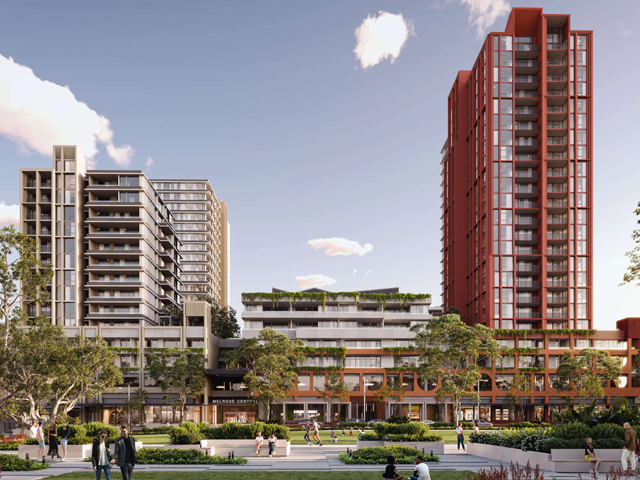
CONSTRUCTION RAMPS UP AT MELROSE PARK
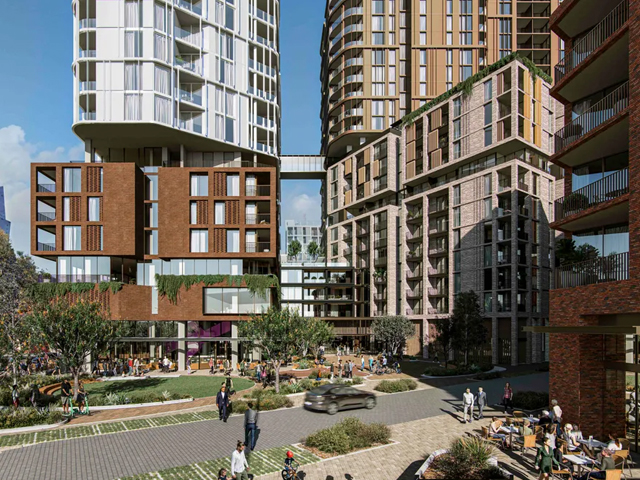
WORKS TO BEGIN ON MAJOR MELBOURNE DOCKLANDS DEVELOPMENT


PROMOTE YOUR BUSINESS
MEDIA KIT
ORDER ODS
SITEMAP
ABOUT US
PRIVACY POLICY
TERMS & CONDITIONS
CONTACT US.
INDUSTRY ASSOCIATIONS
SUBSCRIBE TO OUR ENEWS
do not click


Send Enquiry