
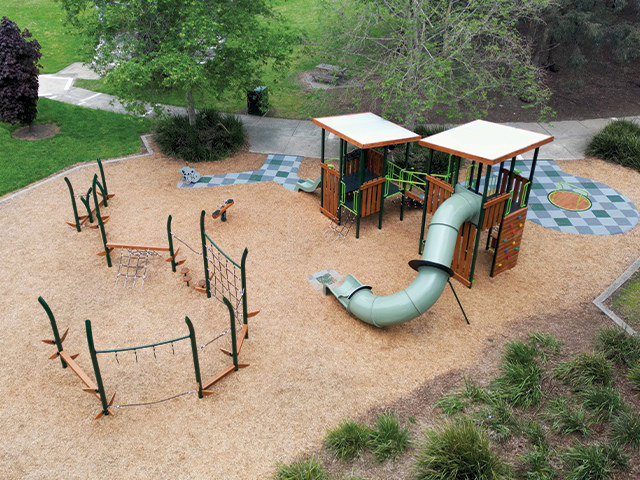
A successful playground isn't measured by how impressive it looks or how many play elements it includes. It's measured by how well it's used. While every project is different, the most successful playgrounds have one thing in common, they begin with the right questions long before the first piece of equipment is selected.
WHAT DOES SUCCESS LOOK LIKE?
Every project begins with a brief, but the most successful playgrounds begin with a clear understanding of what success looks like. Is the goal to create a destination playspace that encourages longer visits? Increase physical activity during school breaks? Improve accessibility? Build confidence through play? Or simply create a space children choose to return to day after day?
Having these priorities established early helps guide every design decision that follows. Without a clear vision of success, it's easy to focus on what goes into a playground rather than what children will get out of it.
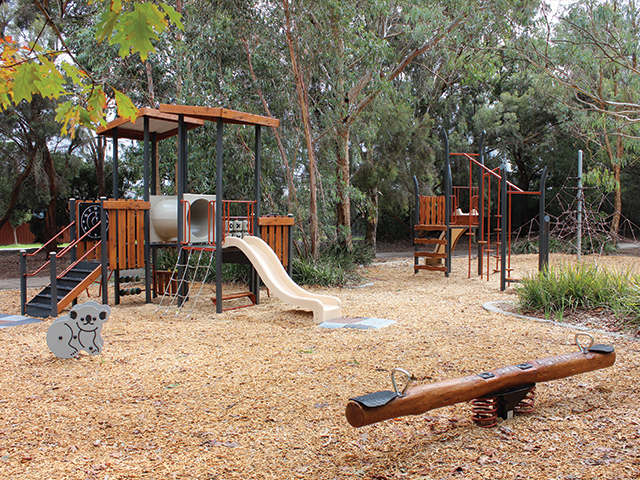
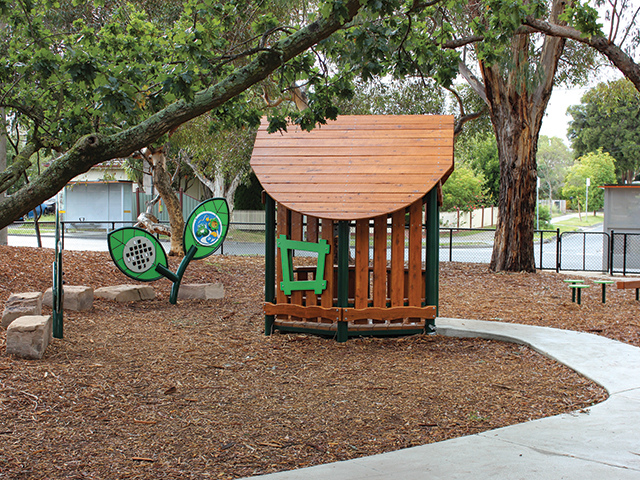
Bridgewater Boulevard Reserve Playground
HOW WILL CHILDREN EXPERIENCE THE SPACE?
Children don't experience a playground one activity at a time. They move naturally between climbing, balancing, sliding, exploring and imaginative play, often inventing games and discovering new ways to use the space.
Rather than thinking about each piece of equipment individually, consider how children will experience the playspace as a whole. Does the layout encourage them to keep exploring? Are there opportunities to pause, socialise and take on new challenges? Often, it's these design decisions, not the individual play elements, that keep children engaged and encourage them to come back.
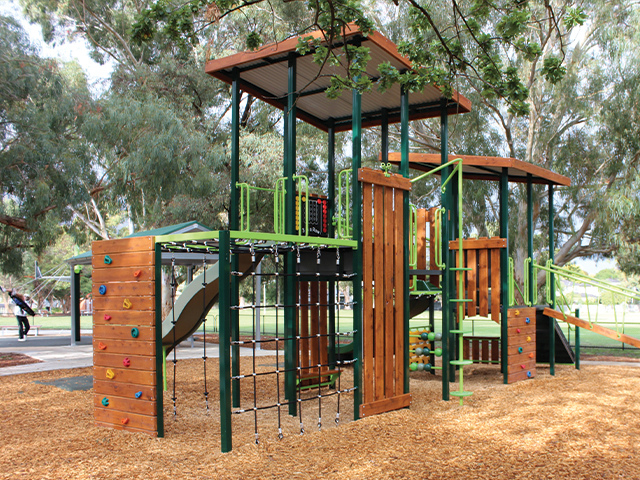
WHAT OPPORTUNITUES ALREADY EXIST ONSITE?
Good design doesn't always start with a blank canvas. Sometimes the site's greatest strengths are already there.
Mature trees can provide natural shade and gathering spaces, while changes in level can create opportunities for climbing or embankment slides. Working with the site, rather than against it, often results in a playspace that feels more connected, intuitive and enjoyable to use.
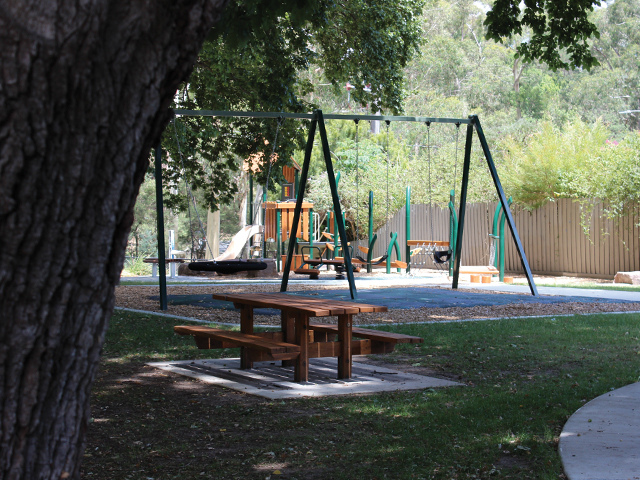
DOES THE PLAYGROUND OFFER ENOUGH VARIETY?
Every child experiences play differently. Some seek physical challenge, while others are drawn to imaginative play, quieter spaces or opportunities to socialise.
Providing a variety of play experiences helps more children find something that captures their interest, builds confidence and encourages them to keep discovering new ways to play. The goal isn't to include more equipment, it's to create more opportunities for play.
WILL CHILDREN STILL WANT TO COME BACK?
The best playgrounds don't simply make a great first impression. They continue to engage children because they offer variety, challenge and opportunities to discover something new with every visit.
Before finalising a design, ask one last question, will this playground still feel engaging in five years' time?
Because in the end, a successful playground isn't remembered for how many play elements it includes. It's remembered because children continue to enjoy using it.
To learn more, visit Activity Playgrounds via the links below.