
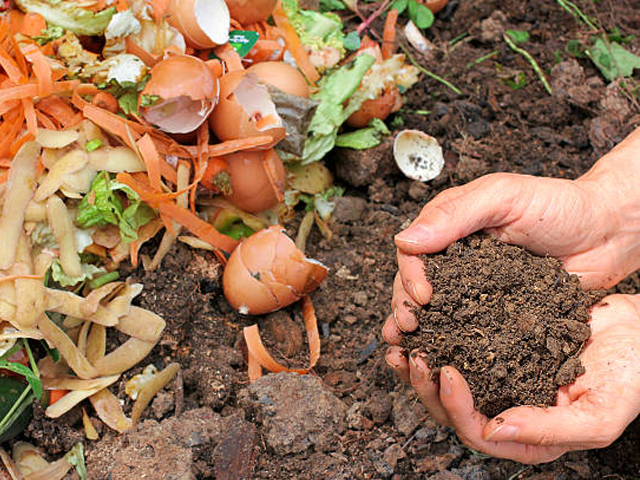
Almost half of the rubbish Australians toss into their mixed-waste garbage bins is material that could be composted or mulched. This material is being buried in landfill, producing methane gas, which has a 25 times effect on climate change than carbon dioxide. Yearly, this rubbish contributes 3% of Australia’s greenhouse gas emissions.
According to 25 Council audits conducted by EC Sustainable in 2011, food organics make up 33% of the rubbish tossed out, and garden vegetation takes up 10%. Yet their latest data shows that Australians have been throwing away less compostable material thanks to Council initiatives, with the figures decreasing by 5% over the past two years.
Taking this organic material from the garbage bin and using it in compost increases the carbon levels in the soil and reduces the effects of climate change. As an added benefit, compost also reduces the amount of water needed to grow plants by 30% and improves the quality of the soil and crops grown in it.
Composting on an individual level is commonplace, but commercial composting is a burgeoning industry, known as the Recycled Organics Processing Industry (ROPI). Australia is home to approximately 140 composting businesses. They recover over 5.2 million tonnes of organic waste each year and turn them into useful products and services. The remaining recycled organic material is either used directly on the land or used to generate heat and electrical energy. 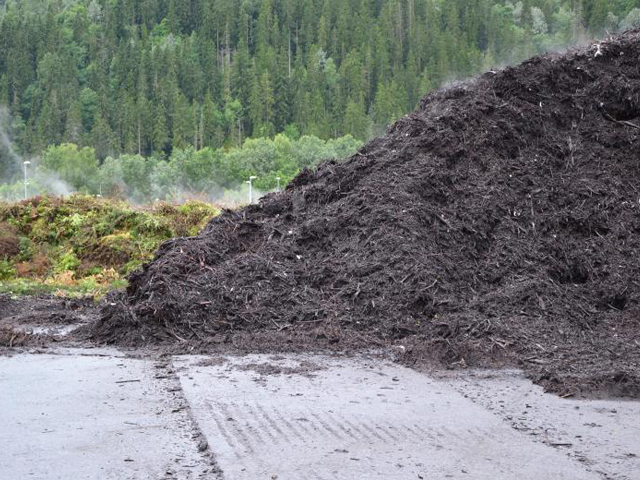
ROPI uses a vast range of material for their products. The lawn clippings, cuttings, branches and leaves collected from household green waste recycling bins are processed into soil conditioners, mulches, garden soils, top dressings, potting mixes, and other compost-based products. ROPI also recovers the sludge from manures, forestry wood waste, food waste, and other organic by-products that would normally be thrown away.
In addition, ROPI is constantly developing new, innovating uses for compost. Diseases in grape vines can be supressed by liquid compost extracts, or compost tea. Compost erosion control ‘blankets’ are being used to prevent erosion in road cuttings. Stormwater is being biologically cleaned with compost media prior to being released into the ocean, as seen in North Steyne Beach, Sydney.
With the right technology and process controls, almost any organic waste can be recycled for a new use.