SEARCH
Company Index »
  • NEWS
    & INFO
    NEWS & INFO
    • NEWS
    • EVENTS
    • INTERVIEWS
    • EXEMPLARY PROJECTS
    • FREE DIGITIAL RESOURCES
    • BLOG
    • COMPANY INDEX
    • INDUSTRY ASSOCIATION
  • Planning
    & Design
    Planning & Design
    • LANDSCAPE ARCHITECTS
    • LANDSCAPE DESIGNERS & TECHNICIANS
    • LANDSCAPE CONTRACTORS
    • HORTICULTURAL CONSULTANTS
    • ARBORICULTURAL CONSULTANTS
    • PROJECT MANAGEMENT & CONSTRUCTION
    • CONSULTING ENGINEERS
    • QUANTITY SURVEYORS
    • PROFESSIONAL REPRESENTATION
    • ENVIRONMENTAL CONSULTANTS & SERVICES
  • Site
    Preliminaries
    Site Preliminaries
    • BUSINESS ADMINISTRATION
    • HARDWARE & GARDENING EQUIPMENT
    • CONSTRUCTION EQUIPMENT
    • PERSONAL PROTECTIVE CLOTHING & EQUIPMENT
  • Environmental
    Management
    Environmental Management
    • CIVIL CONSTRUCTION & DEMOLITION
    • BUSH REGENERATORS
    • EROSION CONTROL & SOIL STABILISATION
    • HERITAGE & RESTORATION SERVICES
    • GREEN ROOFS & GREEN WALLS
  • Water
    Management
    Water Management
    • WATERPROOFING & JOINTING COMPOUNDS
    • DRAINAGE
    • IRRIGATION
    • STORM & WASTE WATER SYSTEMS
  • Hard Landscaping
    Structural Elements
    Hard Landscaping - Structural Elements
    • ACCESS CONTROL SYSTEMS
    • ARCHITECTURAL METALWORK
    • SHADE, HEATING AND COOLING SYSTEMS
    • LANDSCAPE STRUCTURES
    • PLAYGROUND, FITNESS AND RECREATION
    • EXTERIOR, BOUNDARY AND RETAINING WALLS
    • SIGNAGE
    • SPORTS SURFACES & EQUIPMENT
    • STREET, PARK & OUTDOOR FURNITURE
  • Hard Landscaping
    Product Supply
    Hard Landscaping - Product Supply
    • BRICKS & PAVING SUPPLIERS
    • CONCRETE
    • EXTERIOR LIGHTING
    • GARDEN ACCESSORIES
    • GATES, FENCES & SCREENS
    • PAINTS & FINISHES
    • POOLS, SPAS & SAUNAS
    • STONE
    • TIMBER SUPPLIES
    • WATER FEATURES
    • CABLING, UTILITIES & INFRASTRUCTURE
    • PUBLIC ART
    • PERMEABLE SURFACES
  • Soft
    Landscaping
    Soft Landscaping
    • LANDSCAPE SUPPLIES
    • LAWN & TURF SUPPLIES
    • NURSERIES
    • PLANT & TURF CARE
    • INTERIOR PLANTSCAPE
  • Maintenance
    Services
    Maintenance Services
    • ARBORICULTURAL SERVICES
    • LANDSCAPE MAINTENANCE CONTRACTORS
    • LANDSCAPE ASSET MANAGEMENT
    • ROADWAY SERVICES
  • Information
    & Supplies
    Information & Supplies
    • TECHNICAL EQUIPMENT & SUPPLIES
    • INDUSTRY INFORMATION


DEFORESTATION FROM COCOA REDUCED

05 Feb 2019


One of the world’s top three food corporations, Cargill, has announced a plan to reduce deforestation caused by their cocoa farmers.
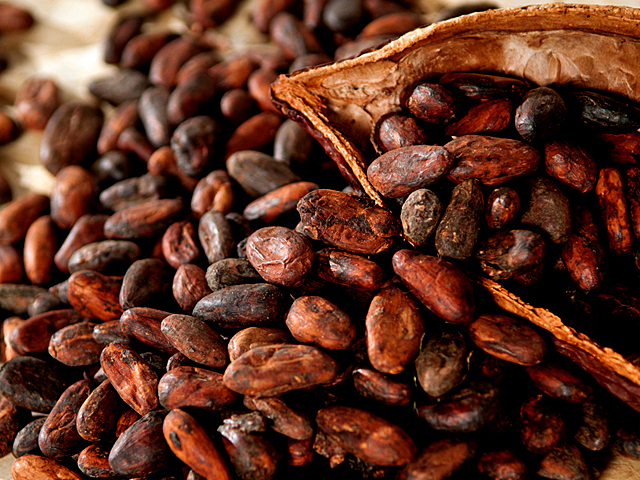


Image from LeCocoa

The plan, Protect Our Planet, promises 100 percent traceability of cocoa beans in Cote d’Ivoire by 2020 and zero clearing of forested land for plantations in both Ghana and Cote d’Ivoire. The plan also covers Brazil, Indonesia and Cameroon and includes a wide scale mapping project that identifies the exact size and location of every small farm.

Cargill has already mapped 90,000 farms and conducted risk assessments for over 2.3 million hectares. The mapping aims to improve traceability, transparency and accountability. Through GPS technology, Cargill can track farmers’ tree cover, cultivation methods, fertilisers and boundaries, and can therefore refuse beans from farmers who spread into forested or protected lands. An improved barcode and electronic payment system, combined with finance training for farmers, means that beans can be traced back to farmers and ensures they are compensated right away.

Deforestation is largely due to increasing demand for chocolate combined with poverty, which forces farmers to exploit their land for increase production, such as using harmful chemical fertilizers. When old trees become less productive and land is degraded, farmers often seek new land and may clear forested areas.

“Global production relies almost entirely on five to six million smallholders,” stated a study on cocoa-related deforestation reports. “While the deforestation occurs at the smallholder level, it is the companies, governments and NGOs that need to take action due to the limited technical and economic capacity of smallholders to enact the necessary reforms on their own.”

Many small farmers lack government-recognised land rights, which could impact their access once all farms are officially monitored and mapped. Despite investments in building community awareness about climate-smart agriculture when farmers exhaust cocoa production on their land, will this plan limit their individual growth and livelihoods while Cargill still has the option to move on to farmers with more productive land?

When Cargill’s emissions are calculated in combination with the other four largest food corporations, their carbon footprint is larger than BP, Exxon Mobile or Shell. Though serious action on deforestation by major corporations is overdue and paramount to making an impact of scale, it remains to be seen how much this sustainability plan will impact small farmers, while Cargill’s unrivalled power and polluting capacity remain unchecked.

Via Inhabitat

Deforestation from Cocoa Reduced
Universal Magazines
SEARCH


MORE NEWS

GREENING MACHINE
DISCOVER ATLANTIS' INNOVATIVE LANDSCAPE VOID FILL SOLUTIONS
3D-PRINTED CORAL REEF FIGHTING CLIMATE CHANGE
BUILDING SUSTAINABLE LANDSCAPES ONE TREE AT A TIME
FLOOD-DEFENCE SYSTEM DOUBLES AS A NATURE PARK
TEMPORARY INFLATABLE DOME MINIMISES CONSTRUCTION POLLUTION


PROMOTE YOUR BUSINESS
MEDIA KIT
ORDER ODS
SITEMAP
ABOUT US
PRIVACY POLICY
TERMS & CONDITIONS
CONTACT US.
INDUSTRY ASSOCIATIONS
SUBSCRIBE TO OUR ENEWS


Send Enquiry