SEARCH
Company Index ยป
  • NEWS
    & INFO
    NEWS & INFO
    • NEWS
    • EVENTS
    • INTERVIEWS
    • EXEMPLARY PROJECTS
    • FREE DIGITIAL RESOURCES
    • BLOG
    • COMPANY INDEX
    • INDUSTRY ASSOCIATION
  • Planning
    & Design
    Planning & Design
    • LANDSCAPE ARCHITECTS
    • LANDSCAPE DESIGNERS & TECHNICIANS
    • LANDSCAPE CONTRACTORS
    • HORTICULTURAL CONSULTANTS
    • ARBORICULTURAL CONSULTANTS
    • PROJECT MANAGEMENT & CONSTRUCTION
    • CONSULTING ENGINEERS
    • QUANTITY SURVEYORS
    • PROFESSIONAL REPRESENTATION
    • ENVIRONMENTAL CONSULTANTS & SERVICES
  • Site
    Preliminaries
    Site Preliminaries
    • BUSINESS ADMINISTRATION
    • HARDWARE & GARDENING EQUIPMENT
    • CONSTRUCTION EQUIPMENT
    • PERSONAL PROTECTIVE CLOTHING & EQUIPMENT
  • Environmental
    Management
    Environmental Management
    • CIVIL CONSTRUCTION & DEMOLITION
    • BUSH REGENERATORS
    • EROSION CONTROL & SOIL STABILISATION
    • HERITAGE & RESTORATION SERVICES
    • GREEN ROOFS & GREEN WALLS
  • Water
    Management
    Water Management
    • WATERPROOFING & JOINTING COMPOUNDS
    • DRAINAGE
    • IRRIGATION
    • STORM & WASTE WATER SYSTEMS
  • Hard Landscaping
    Structural Elements
    Hard Landscaping - Structural Elements
    • ACCESS CONTROL SYSTEMS
    • ARCHITECTURAL METALWORK
    • SHADE, HEATING AND COOLING SYSTEMS
    • LANDSCAPE STRUCTURES
    • PLAYGROUND, FITNESS AND RECREATION
    • EXTERIOR, BOUNDARY AND RETAINING WALLS
    • SIGNAGE
    • SPORTS SURFACES & EQUIPMENT
    • STREET, PARK & OUTDOOR FURNITURE
  • Hard Landscaping
    Product Supply
    Hard Landscaping - Product Supply
    • BRICKS & PAVING SUPPLIERS
    • CONCRETE
    • EXTERIOR LIGHTING
    • GARDEN ACCESSORIES
    • GATES, FENCES & SCREENS
    • PAINTS & FINISHES
    • POOLS, SPAS & SAUNAS
    • STONE
    • TIMBER SUPPLIES
    • WATER FEATURES
    • CABLING, UTILITIES & INFRASTRUCTURE
    • PUBLIC ART
    • PERMEABLE SURFACES
  • Soft
    Landscaping
    Soft Landscaping
    • LANDSCAPE SUPPLIES
    • LAWN & TURF SUPPLIES
    • NURSERIES
    • PLANT & TURF CARE
    • INTERIOR PLANTSCAPE
  • Maintenance
    Services
    Maintenance Services
    • ARBORICULTURAL SERVICES
    • LANDSCAPE MAINTENANCE CONTRACTORS
    • LANDSCAPE ASSET MANAGEMENT
    • ROADWAY SERVICES
  • Information
    & Supplies
    Information & Supplies
    • TECHNICAL EQUIPMENT & SUPPLIES
    • INDUSTRY INFORMATION


CONCRETE TAKES THE HEAT

05 Mar 2019


Extreme heat can cause concrete to break down, but a new study has paved the way for a flexible mixture using recycled tires that could revolutionise concrete construction.


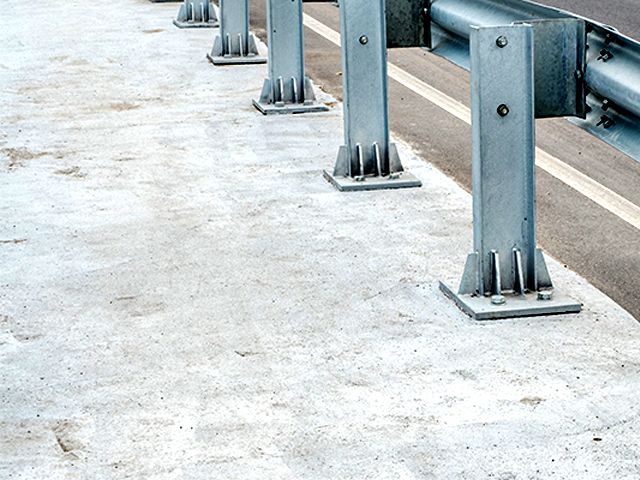
Image DepositPhotos

Along with using polymer fibres from tires to help release moisture from hot concrete, the scientists are also looking at using tire-derived steel fibres to help hold the material together.

Although concrete doesn't burn, it can “spall” when subjected to extreme heat – this means that surface layers of the material explosively break off, potentially causing structures made from it to collapse. According to a new study, however, fibres obtained from discarded tires can help keep that from happening.

Already, some companies have been adding polypropylene fibres to concrete, to prevent spalling. The idea is that when the concrete is heated by fire, those fibres will melt, creating networks of tiny channels throughout the material. Any moisture present within the concrete can then escape through those channels – it would otherwise remain trapped, turn to steam, and force the material to break.

Typically, the fibres used for this purpose are composed of virgin polypropylene, which requires a considerable amount of energy and resources to produce. Scientists at Britain's University of Sheffield, though, have determined that fibres harvested from old tires are just as effective. More precisely, those fibres come from a textile reinforcement material that is commonly used in tires.

The researchers are now working with Sheffield-based construction firm Twincon, refining a cost-effective technique for separating the fibres from tire rubber, untangling them, and then distributing them evenly within a concrete mixture. They are also looking at various fibre-to-concrete ratios, and at using different types of concrete.

“Because the fibres are so small, they don't affect the strength or the stiffness of the concrete,” says Dr Shan-Shan Huang, lead author of a paper on the study. “Their only job is to melt when heat becomes intense. Concrete is a brittle material, so will break out relatively easily without having these fibres help to reduce the pressure within the concrete.”

The paper was recently published in the Fire Technology journal.

Concrete Takes the Heat
Universal Magazines
SEARCH


MORE NEWS

TREADING ON GLASS CONCRETE
CONCRETE CLEANS UP THE ACT
PERMEABLE STABILISATION FOR ROADS, DRIVEWAYS AND WATER CROSSINGS
DECORATIVE CONCRETE THAT EXCELS
CO2-FREE CEMENT
FROM CARROTS TO CONCRETE


PROMOTE YOUR BUSINESS
MEDIA KIT
ORDER ODS
SITEMAP
ABOUT US
PRIVACY POLICY
TERMS & CONDITIONS
CONTACT US.
INDUSTRY ASSOCIATIONS
SUBSCRIBE TO OUR ENEWS
do not click


Send Enquiry