
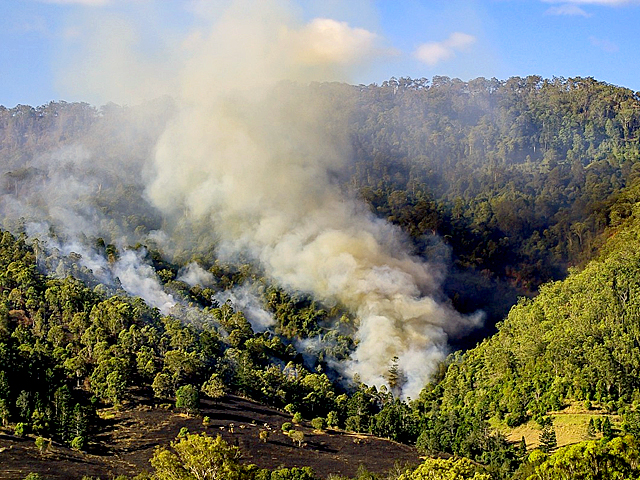
Global climate issues have started to hit home with a number of high-priority initiatives singled out by Infrastructure Australia as of significant national importance.
Four environmental focuses have spearheaded Infrastructure Australia’s new list of high-priority initiatives, with ‘resilience’ against extreme weather billed as the key theme for the year ahead.
Infrastructure Australia chief executive Romilly Madew said that, for the first time, the focus on climate initiatives reflected both the diversity and urgency of the nation's future infrastructure needs.
“Compounding issues of unprecedented infrastructure demand, severe drought and other environmental changes, require a focus on our resilience strategies and a consensus on where to invest now for our nation’s future prosperity,” said Madew. “As an independent advisory body, it’s our role to bring these problems and opportunities into the national spotlight to spark investment and coordinated action from industry and government.”
This year’s list drew on more than 200 submissions – the largest number since the list’s inception – to make recommendations for a $58 billion infrastructure pipeline of nationally significant projects. Each project was supported by a business case and was deemed to be worth more than $30 million a year in material net benefit to the Australian economy.
Headlining the list’s resilience-focused planning and investment strategy were compelling climate-based initiatives covering water security, the nation’s rapidly growing waste problem and coastal inundation due to rising sea levels. 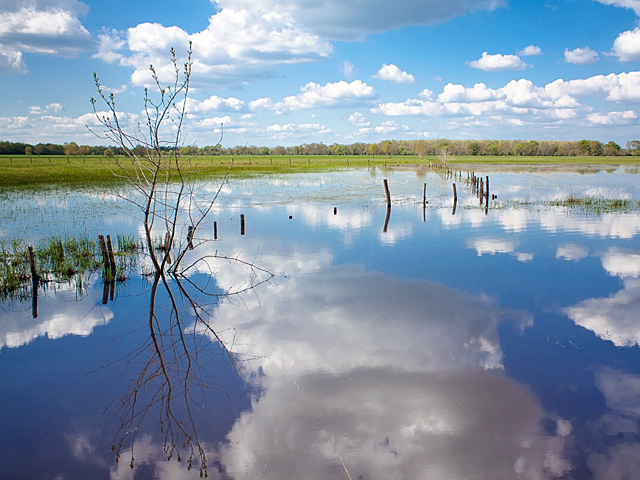
The proposals around a national water strategy enhancing the water security of towns and cities came in response to the Barwon-Darling River, Macquarie River and Lower Darling all experiencing critical water shortages as New South Wales currently endures the most severe drought on record.
Infrastructure Australia called for a long-term national water strategy to be developed within five years to guide governments, businesses and individuals “on how to efficiently and sustainably capture, use and manage water”.
The report also called for a national waste and recycling management strategy to boost Australia’s recycling rate from its current 55 percent to the target of 70 percent set out in the 2014-21 waste avoidance and resource recovery strategy.
The costs of protecting cities from rising sea levels was also laid bare with Infrastructure Australia highlighting that the effects of flooding due to coastal inundation of up to one metre could cause damage of between $60,000 and $80,000 per household.
“Climate change brings with it higher temperatures, unpredictable seasonal rainfall and water availability, more extreme winds, more extreme weather events and bushfire seasons the likes of which Australia has never seen,” Infrastructure Australia chair Julieanne Alroe said. “By raising the profile of these issues we aim to provoke action in every jurisdiction, as well as exploration into tailored, local solutions.”
Regional Australia also emerged as a focus of this edition of the Infrastructure Priority List with a call to improve mobile telecommunications coverage in remote areas and improve regional road safety.
“Truly staying connected requires not only safe and efficient transport options, but also ensuring our towns and regional communities have the same access to telecommunications as the rest of Australia,” Madew said. “This is to also provide people with reliable access to electronic payment systems, emergency alerts and other critical services.” 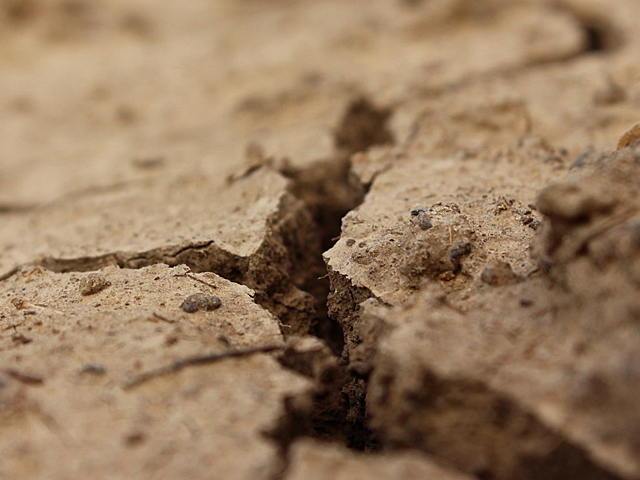
CLICK HERE to view the list of projects.
Via The Urban Developer