UNDERSTANDING EMBODIED CARBON IN OPEN SPACE DESIGN
08 Nov 2023
In the face of the escalating climate crisis, sustainable design practices have become paramount in the field of landscape architecture and open space planning. Beyond operational carbon emissions, it is crucial to consider embodied carbon in the design and construction of outdoor spaces. Embodied carbon refers to the total carbon emissions associated with the entire lifecycle of a product or project, from raw material extraction to manufacturing, transportation, construction, and disposal. In this article, we will explore the concept of embodied carbon and provide practical tips for landscape architects and open space planners to reduce their environmental impact.

Image: Carbon emissions associated with the production and construction phase of a built project (embodied carbon, indicated in yellow) and those related to its ongoing operation (operational carbon, depicted in blue). Image credit – Carbon Leadership Forum.
Understanding Embodied Carbon
Embodied carbon is a critical factor that contributes to the overall carbon footprint of a project. It encompasses not only the carbon emissions generated during the construction phase but also those arising from the extraction, production and transportation of materials used in the project. To mitigate the impact of embodied carbon, landscape architects and open space planning professionals need to consider every aspect of their projects and make sustainable choices throughout the design, procurement and construction process.
Tips for Mitigating Embodied Carbon

Image: Suppliers like KOMPAN offer quantifiable, verified CO2e data for every product for transparent and easy embodied carbon measuring.
Material Selection
One of the most effective ways to reduce embodied carbon is carefully selecting materials with verified low-carbon footprints. Consider using reclaimed or recycled materials, which require less energy for extraction and manufacturing.
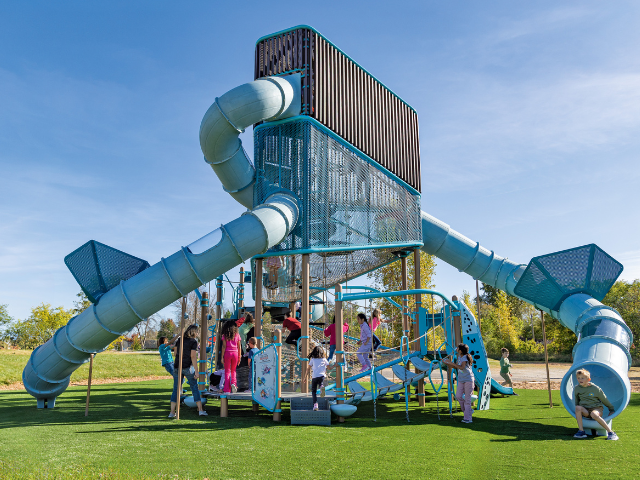
One example is KOMPAN GreenLine playgrounds, which use post-consumer recycled waste like ocean nets, discarded textiles and single-use plastics in its raw materials for measurably lower embodied emissions. Another example would be low-carbon, FSC® Certified wood like Robinia which can drastically reduce carbon emissions thanks to its quick growth and sustainable forestry which enables better carbon sequestration.
An important consideration for material selection is the risk of greenwashing. Sourcing verified data on the materials you purchase for projects is the easiest and most effective way to know you are choosing the best supply of sustainable materials. Product data sheets like those from KOMPAN have comprehensive, 3rd-party verified emission calculations for their product materials and provide easy-to-read comparisons so purchasers can measure their embodied carbon and make the most sustainable decision.
Design for Durability
Designing outdoor spaces that stand the test of time can significantly reduce the need for reconstruction and, in turn, minimise the embodied carbon associated with replacements. Investing in high-quality, durable materials that can withstand weathering and require less maintenance over the years will ultimately be one of the most effective ways to build sustainable open spaces. Specifying and collaborating with product suppliers like KOMPAN that specialise in high-quality materials and long warranties ensure you are planning more durable and sustainable outdoor spaces for the long term.
Carbon Assessment Tools
Landscape architects and open space planners can benefit from using carbon assessment tools and calculators like Planet Price to evaluate the embodied carbon of their projects. These tools can help identify areas where carbon emissions can be reduced, allowing for more informed decision-making during the design and planning stages. 
Image: Hanlon Park in Greenslopes, Brisbane. Image credit - Christopher Frederick Jones for Tract.
Adaptive and Regenerative Design
Embrace adaptive and regenerative design principles to create outdoor spaces that evolve with changing environmental conditions. This can extend the lifespan of a project and reduce the need for constant renewal, thus reducing embodied carbon over time. Brisbane’s Hanlon Park recently won multiple AILA Awards for its climate-resilient design which acknowledges and works with country and the existing flood-prone landscape for an adaptable and future-focused community space – read more on this project to get inspired!
Education and Collaboration
Collaboration with experts in sustainable design, such as environmental consultants, carbon experts and innovative manufacturers like KOMPAN can provide valuable insights into minimising embodied carbon. Additionally, educating project stakeholders and clients about the importance of embodied carbon reduction can lead to more sustainable decisions throughout the project's lifecycle and changed attitudes which can positively affect projects now and into the future.
Carbon Offsetting
While the primary focus should be on reducing embodied carbon in the first place, it may not be possible to eliminate it entirely. In such cases, explore carbon offset programs that help neutralise the emissions associated with your project. Reforestation initiatives and renewable energy projects are effective ways to offset carbon emissions. 
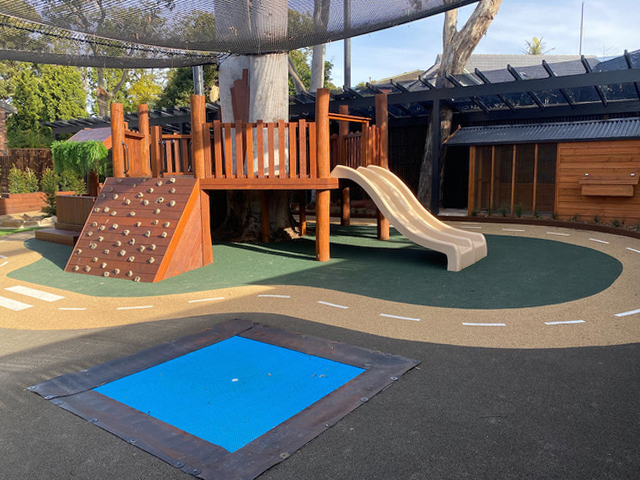
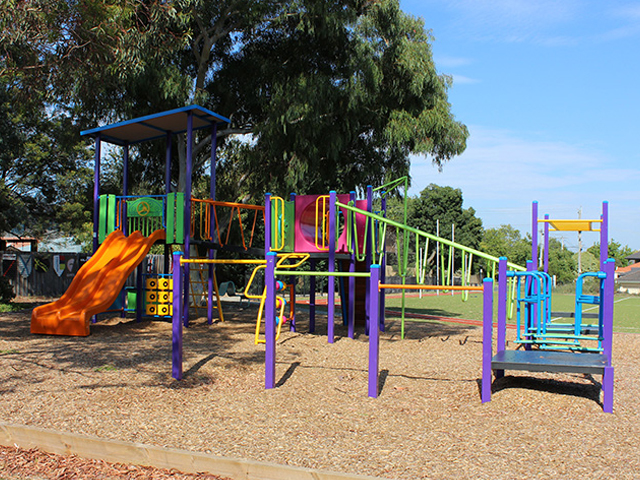
Image: Waverley St Reserve Playground by KOMPAN & Playmazing in Mitcham, SA.
As climate change continues to be a pressing concern now and for future generations, landscape architects and open space planners have a vital role to play in mitigating embodied carbon emissions and leading the way towards a more sustainable built environment. The key to shaping a sustainable and responsible industry is addressing embodied carbon as a crucial consideration for outdoor spaces - by carefully selecting sustainable and durable products like KOMPAN GreenLine and Robinia playgrounds, embracing adaptive/regenerative design principles, collaborating with experts, using carbon assessment tools and considering carbon offset programs, professionals in the field can significantly reduce the carbon footprint of their projects and influence others to do so for a greener future.
Find out more from KOMPAN via the links below.