
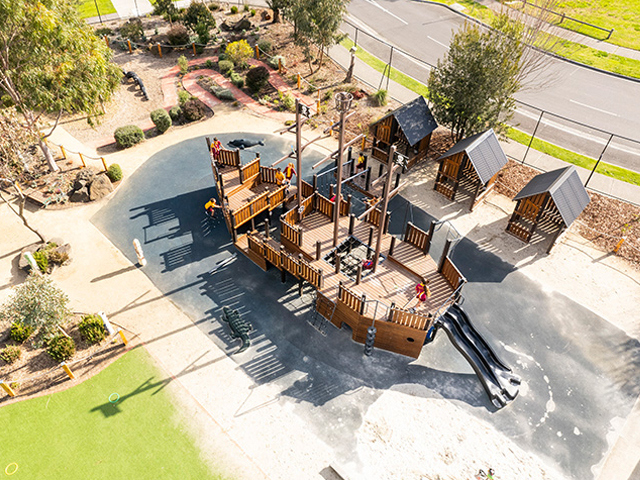
adventure+ designs playgrounds for both schools and public/community spaces and their needs are never identical. Assuming a single playground design could serve both environments equally well undermines the unique requirements and experiences of their users. That’s why the adventure+ team are committed to taking play seriously, always seeking to create the best possible outcome for every project.
USAGE & TRAFFIC PATTERNS
Public playgrounds are accessible throughout the day and night, resulting in highly variable usage patterns. Attendance can fluctuate, with just a handful of children using the space at any one time. In contrast, school playgrounds see intense, predictable bursts of activity, especially during recess and lunch when large groups play all at once.
SUPERVISION
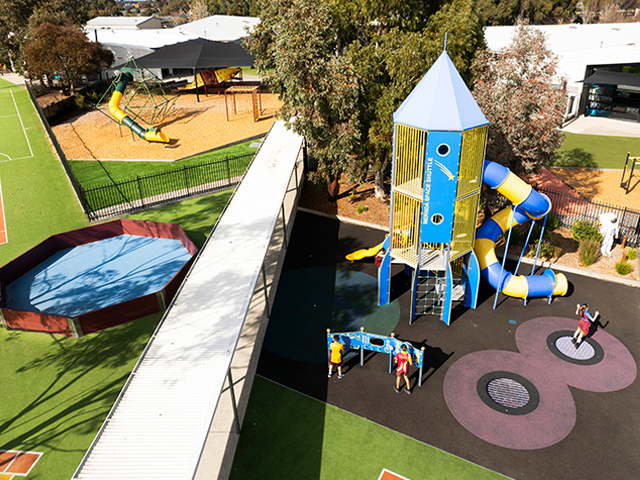
Children using public playgrounds are almost always accompanied by parents, carers or dedicated supervisors, allowing for focused, close-proximity oversight. In contrast, school playgrounds typically have fewer adults overseeing larger groups, with teachers often responsible for monitoring wide areas filled with active children.
SPACE
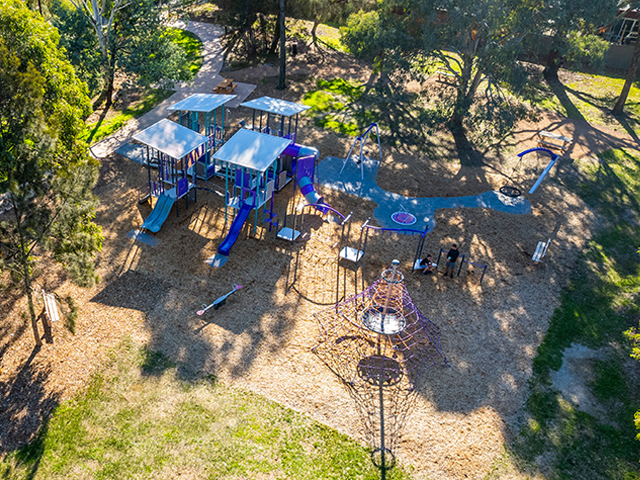
The footprint available for a playground always shapes the outcome, but smart design ensures you make the most of any site, big or small.
MULTI-PURPOSE
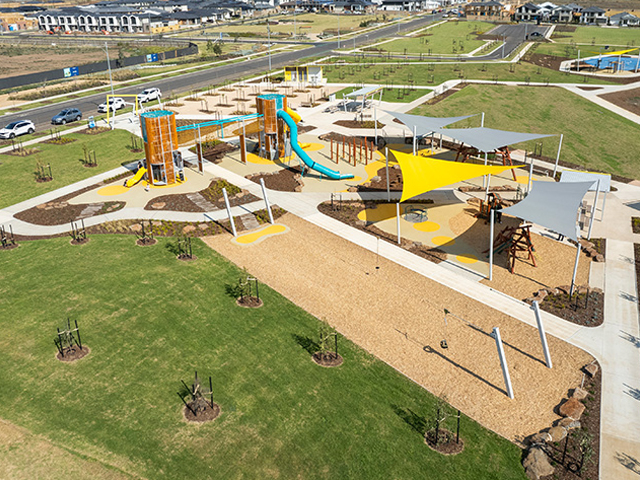
Public playgrounds often serve as the heart of larger community spaces, nestled alongside sports fields, event venues and picnic areas, and primarily offer opportunities for recreation and social connection. In contrast, school playgrounds have the unique advantage of supporting outdoor learning as well as play.
To learn more about the differences betwen public parks and school playgrounds, click here.