SEARCH
Company Index »
  • NEWS
    & INFO
    NEWS & INFO
    • NEWS
    • EVENTS
    • INTERVIEWS
    • EXEMPLARY PROJECTS
    • FREE DIGITIAL RESOURCES
    • BLOG
    • COMPANY INDEX
    • INDUSTRY ASSOCIATION
  • Planning
    & Design
    Planning & Design
    • LANDSCAPE ARCHITECTS
    • LANDSCAPE DESIGNERS & TECHNICIANS
    • LANDSCAPE CONTRACTORS
    • HORTICULTURAL CONSULTANTS
    • ARBORICULTURAL CONSULTANTS
    • PROJECT MANAGEMENT & CONSTRUCTION
    • CONSULTING ENGINEERS
    • QUANTITY SURVEYORS
    • PROFESSIONAL REPRESENTATION
    • ENVIRONMENTAL CONSULTANTS & SERVICES
  • Site
    Preliminaries
    Site Preliminaries
    • BUSINESS ADMINISTRATION
    • HARDWARE & GARDENING EQUIPMENT
    • CONSTRUCTION EQUIPMENT
    • PERSONAL PROTECTIVE CLOTHING & EQUIPMENT
  • Environmental
    Management
    Environmental Management
    • CIVIL CONSTRUCTION & DEMOLITION
    • BUSH REGENERATORS
    • EROSION CONTROL & SOIL STABILISATION
    • HERITAGE & RESTORATION SERVICES
    • GREEN ROOFS & GREEN WALLS
  • Water
    Management
    Water Management
    • WATERPROOFING & JOINTING COMPOUNDS
    • DRAINAGE
    • IRRIGATION
    • STORM & WASTE WATER SYSTEMS
  • Hard Landscaping
    Structural Elements
    Hard Landscaping - Structural Elements
    • ACCESS CONTROL SYSTEMS
    • ARCHITECTURAL METALWORK
    • SHADE, HEATING AND COOLING SYSTEMS
    • LANDSCAPE STRUCTURES
    • PLAYGROUND, FITNESS AND RECREATION
    • EXTERIOR, BOUNDARY AND RETAINING WALLS
    • SIGNAGE
    • SPORTS SURFACES & EQUIPMENT
    • STREET, PARK & OUTDOOR FURNITURE
  • Hard Landscaping
    Product Supply
    Hard Landscaping - Product Supply
    • BRICKS & PAVING SUPPLIERS
    • CONCRETE
    • EXTERIOR LIGHTING
    • GARDEN ACCESSORIES
    • GATES, FENCES & SCREENS
    • PAINTS & FINISHES
    • POOLS, SPAS & SAUNAS
    • STONE
    • TIMBER SUPPLIES
    • WATER FEATURES
    • CABLING, UTILITIES & INFRASTRUCTURE
    • PUBLIC ART
    • PERMEABLE SURFACES
  • Soft
    Landscaping
    Soft Landscaping
    • LANDSCAPE SUPPLIES
    • LAWN & TURF SUPPLIES
    • NURSERIES
    • PLANT & TURF CARE
    • INTERIOR PLANTSCAPE
  • Maintenance
    Services
    Maintenance Services
    • ARBORICULTURAL SERVICES
    • LANDSCAPE MAINTENANCE CONTRACTORS
    • LANDSCAPE ASSET MANAGEMENT
    • ROADWAY SERVICES
  • Information
    & Supplies
    Information & Supplies
    • TECHNICAL EQUIPMENT & SUPPLIES
    • INDUSTRY INFORMATION


GIVING NEW MEANING TO S#!&*ING BRICKS

14 Feb 2019


A revolutionary idea that uses biosolids to produce bricks could assist in significantly cutting manufacturing emissions, creating more energy efficient buildings and eliminating waste stockpiles.
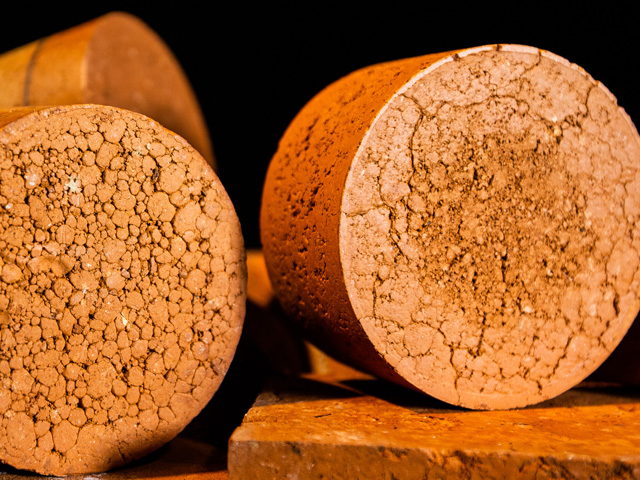


Using recycled or ‘green’ building materials is a growing trend in today’s housing industry, with many developers and homeowners making a conscious effort to choose materials that support a cleaner environment through manufacturing processes and eliminate emissions post production. The latest development, turning biosolids into bricks, could be a significant advancement in this industry.

A university research team from RMIT, who published their findings in the January issue of Building journal, are working on a way to recycle biosolids - organic matter recycled from sewage – into bricks, repurposing the world’s stockpiles of wastewater treatment by-product to create greater sustainability in the construction sector.

“About five million tonnes of the biosolids produced in Australia, New Zealand, the EU, US and Canada currently go to landfill or stockpiles each year. Using a minimum 15 percent biosolids content in 15 percent of bricks produced could use up this five million tonnes,” claims Professor Abbas Mohajerani from RMIT University.

With approximately 30 percent of the world’s biosolids stockpiled or sent to landfill, according to Professor Mohajerani, the environmental challenge created by this practice could be negated with a sustainable solution that impacts both wastewater treatment and clay brick manufacturing – which requires the use of a lot of fuel to generate the heat required to produce bricks, making it environmentally undesirable. Currently, more than three-billion cubic metres of clay soil is dug up each year for the global brick making industry, producing approximately 1.5 trillion bricks.

The university team developing this technology has demonstrated that fired-clay bricks that incorporate around 25 percent biosolids only require half the energy of conventional bricks to produce, making them cheaper to manufacture. Biosolids bricks also present substantial benefits due to their lower thermal conductivity, which means higher environmental performance in buildings.

The researchers found that biosolid-enhanced bricks passed compressive strength tests and analysis demonstrated heavy metals are largely trapped within the brick. Though further testing is required to find the most effective biosolid composition, Professor Mohajerani hopes that government building codes could confidently mandate a conservative 15 percent biosolids component in house bricks in the near future – tackling two environmental issues at the same time; biosolid stockpiling and the excavation of billions of cubic metres of clay soil each year.

Image RMIT University

Giving New Meaning to S#!&*ing Bricks
Universal Magazines
SEARCH


MORE NEWS

PAVING THE WAY
FLEXIBLE AND ADAPTABLE PAVING SOLUTION
LONG LASTING LUXURY PAVING FOR NEW COMMERCIAL SPACES
GRMS LAUNCHES A WHOLE NEW LOOK!
SANDSTONE FLAGGING
SLEEK, SIMPLE, SOPHISTICATED OYSTER WHITE PORCELAIN


PROMOTE YOUR BUSINESS
MEDIA KIT
ORDER ODS
SITEMAP
ABOUT US
PRIVACY POLICY
TERMS & CONDITIONS
CONTACT US.
INDUSTRY ASSOCIATIONS
SUBSCRIBE TO OUR ENEWS
do not click


Send Enquiry