CHATSWOOD METRO CONSTRUCTION SITE TO BE TRANSFORMED INTO MIXED-USE PRECINCT
08 Oct 2025
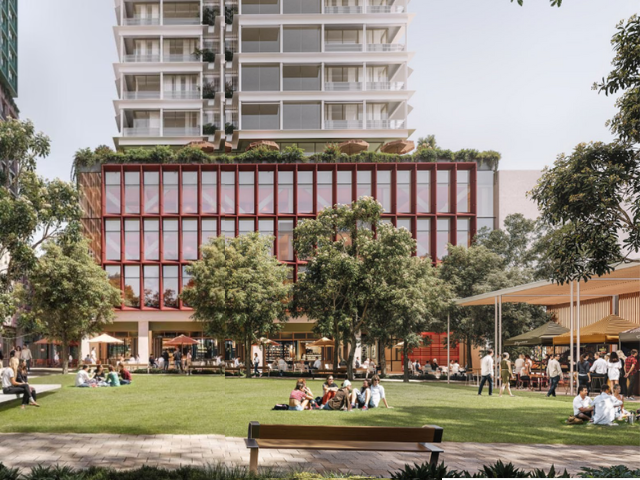
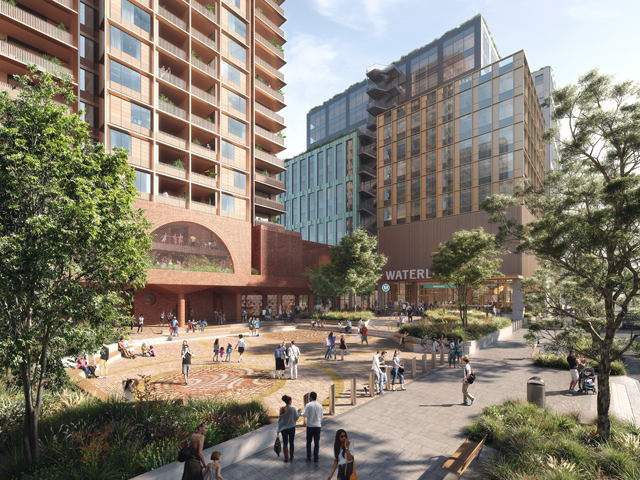
The Minns Government is transforming a former Sydney Metro construction site in Chatswood’s CBD into a vibrant, well-designed neighbourhood with high quality apartments, rental housing for essential workers, shops and public spaces.
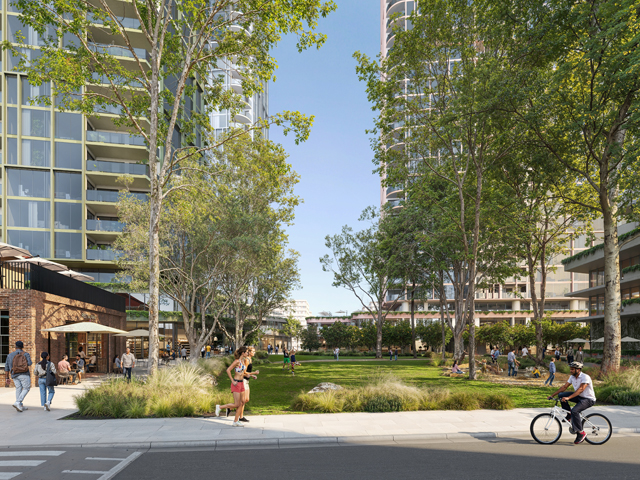
Planning of the site in Chatswood by Landcom shows that it could deliver up to 1,500 new homes alongside new shops and outdoor areas.
By offering BTR apartments specifically for essential workers, such as nurses, teachers and emergency responders, the government hopes to ease rental pressures on those who are critical to the state’s economy and wellbeing, according to NSW Premier Chris Minns.
Premier of New South Wales Chris Minns said, “This will be life changing for essential workers, who will get to live not only near their job but in one of the best-connected areas in all of Sydney.”
The draft masterplan includes:
- 180 build-to-rent apartments offered to essential workers like nurses, paramedics, teachers, police officers and firefighters at a discount to market rent, through a separate subsidy
- up to 1,300 additional apartments with a mix of affordable rental housing and homes to buy
- shops and services
- outdoor spaces for people to meet, relax and socialise, including a village green, native greenery, shaded seating areas and public art
- future community use of heritage-listed Mowbray House
- walking and cycling connections to the wider area
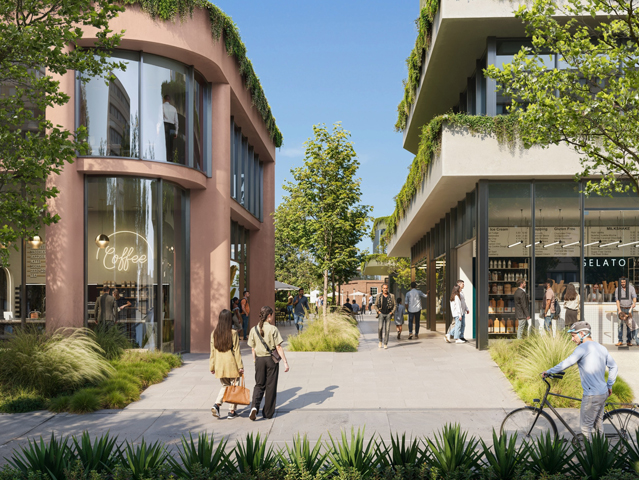
Within easy walking distance of public transport including Chatswood Metro station and multiple train stations, shops and restaurants and close to schools and health centres this new development will allow future residents to live, work and play in the one community.
“This is yet another example of density done well, providing additional, homes and jobs in an area that’s already well serviced by public transport, shops, restaurants, schools and health centres,” Minister for Planning and Public Spaces Paul Scully explained.
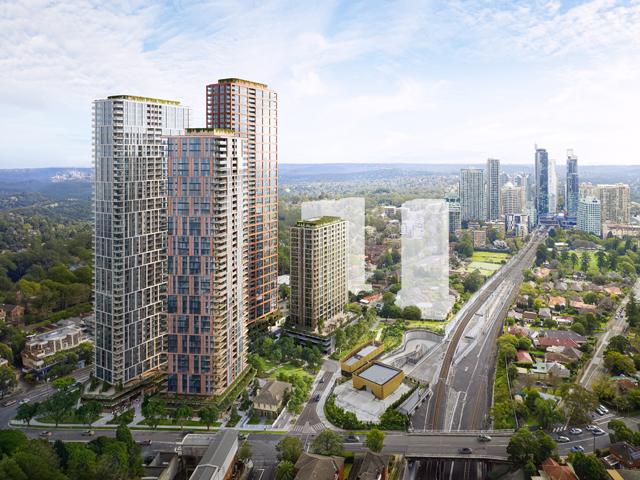
Construction on the site is expected to start in late 2026, with the first essential workers expected to move in by late 2028.